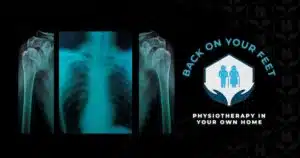
A broken clavicle, commonly known as a broken collarbone, is one of the most frequent fractures experienced by both athletes and non-athletes alike. This long, slender bone, connecting the shoulder blade to the sternum, is particularly vulnerable to breaks, especially during falls, sports injuries, or accidents. While a broken clavicle can be painful and disruptive, the good news is that with proper rehabilitation, most people can make a full recovery and regain normal function.
In this blog post, we’ll explore the causes and symptoms of a broken clavicle, the treatment options available, and how a comprehensive rehabilitation program can significantly aid in the healing process.
Understanding the Broken Clavicle
What Causes a Broken Clavicle?
The clavicle is situated in a position where it is prone to fractures due to its exposure and role in connecting the arm to the body. Common causes of a broken clavicle include:
Falls: Falling onto an outstretched hand or directly onto the shoulder can cause the clavicle to break.
Sports Injuries: Contact sports like football, rugby, and cycling are common culprits due to the high impact and frequent falls involved.
Car Accidents: A forceful impact, such as from a seatbelt during a car crash, can result in a clavicle fracture.
Symptoms of a Broken Clavicle
A broken clavicle typically presents with several recognisable symptoms:
Pain: Sudden, sharp pain at the site of the fracture is the most common symptom. The pain may worsen with arm movement.
Swelling and Bruising: Swelling and bruising around the collarbone area are common and may extend into the shoulder.
Visible Deformity: In some cases, the break may cause a noticeable bump or deformity along the collarbone.
Limited Range of Motion: The injured arm may be difficult to move, and the shoulder may feel weak or unstable.
Grinding Sensation: Some people experience a grinding or crackling sensation at the fracture site.
If you suspect a broken clavicle, it’s crucial to seek medical attention immediately for a proper diagnosis and treatment plan.
Treatment for a Broken Clavicle
Treatment for a broken clavicle depends on the severity and location of the fracture. The goal is to allow the bone to heal properly while maintaining the alignment and function of the shoulder.
Non-Surgical Treatment
Most clavicle fractures can be treated non-surgically, particularly if the bones are still aligned. Non-surgical treatment typically involves:
Immobilisation: A sling or figure-of-eight brace is used to keep the arm and shoulder immobile, allowing the bone to heal. This period of immobilisation usually lasts for 4-8 weeks, depending on the fracture’s severity.
Pain Management: Over-the-counter pain relievers can help manage pain and reduce inflammation.
Ice Therapy: Applying ice to the affected area can help reduce swelling and pain in the early stages of recovery.
Surgical Treatment
In cases where the fracture is severe, displaced, or involves multiple fragments, surgical intervention may be necessary. Surgery often involves the use of plates, screws, or rods to realign and stabilise the bones. Post-surgery, rehabilitation becomes crucial to restore full function.
The Role of Rehabilitation in Clavicle Fracture Recovery
Whether treated surgically or non-surgically, rehabilitation is an essential component of recovering from a broken clavicle. A well-structured rehab program helps to restore strength, flexibility, and range of motion to the shoulder, reducing the risk of complications and promoting a full recovery.
Phases of Rehabilitation
Rehabilitation typically progresses through several phases, each tailored to the stage of healing and the patient’s specific needs:
1. Immobilisation and Early Healing Phase
During the initial weeks after the injury, the focus is on protecting the fracture and allowing the bone to begin healing. Rehabilitation during this phase may include:
Education and Support: Patients learn how to care for their injury, manage pain, and use slings or braces correctly. Maintaining good posture and avoiding activities that could disrupt healing is crucial.
Gentle Range of Motion Exercises: If approved by the doctor, very gentle range of motion exercises may be introduced to prevent stiffness in the elbow, wrist, and hand. These exercises help maintain circulation and prevent muscle atrophy without stressing the healing clavicle.
2. Intermediate Phase: Regaining Motion
Once the bone begins to heal and the pain subsides, the focus shifts to regaining range of motion in the shoulder and preventing stiffness.
Shoulder Mobility Exercises: Under the guidance of a physical therapist, patients begin shoulder mobility exercises, gradually increasing the movement range without overloading the healing bone. Exercises might include pendulum swings, gentle arm lifts, and rotations.
Stretching: Stretching exercises are introduced to improve flexibility in the shoulder and surrounding muscles, ensuring that movement is smooth and coordinated as the bone heals.
3. Strengthening Phase
As healing progresses and the bone shows signs of solidification, strengthening exercises become the focus. This phase aims to rebuild the strength lost during the immobilisation period and prepare the shoulder for a return to normal activities.
Resistance Training: Light resistance exercises, such as using resistance bands or light weights, help strengthen the shoulder, arm, and upper back muscles. The exercises start with low intensity and gradually increase as the shoulder becomes stronger.
Functional Training: Patients engage in exercises that mimic daily activities, such as lifting, reaching, and carrying, to restore functional strength and coordination.
Posture Correction: Strengthening the muscles that support good posture is essential, as poor posture can put undue stress on the healing clavicle and lead to long-term issues.
4. Advanced Strengthening and Return to Activity Phase
The final phase of rehabilitation focuses on returning to pre-injury activities, including sports and more demanding physical tasks.
Advanced Strengthening Exercises: Exercises become more challenging, incorporating full-body movements and compound exercises that engage multiple muscle groups. These might include push-ups, rows, and shoulder presses, performed with increasing resistance.
Sport-Specific Training: For athletes, sport-specific drills and exercises are reintroduced to ensure that the shoulder can handle the demands of their particular sport. This might include throwing, hitting, or other repetitive motions.
Injury Prevention: Emphasis is placed on techniques and exercises to prevent re-injury, such as proper warm-ups, stretching routines, and strength maintenance exercises.
The Benefits of Rehabilitation
A well-designed rehabilitation program offers numerous benefits, including:
Faster Recovery: Rehabilitation can significantly speed up the healing process by promoting proper bone healing and preventing complications such as stiffness, muscle atrophy, and weakness.
Restored Function: Through targeted exercises and therapies, rehab helps restore the shoulder’s full range of motion, strength, and function, allowing patients to return to their normal activities and sports with confidence.
Pain Management: Therapeutic exercises, along with techniques such as massage and heat/cold therapy, can help manage pain and discomfort during the recovery process.
Reduced Risk of Complications: Rehabilitation helps prevent long-term issues such as chronic pain, reduced mobility, and poor posture, ensuring that the patient regains full function without lasting impairments.
Working with a Physio Therapist
A physiotherapist plays a crucial role in the rehabilitation process, providing expert guidance, monitoring progress, and adjusting the rehab program as needed. They ensure that exercises are performed correctly to avoid re-injury and optimise healing.
Patient Commitment
While a physiotherapist provides the framework and support for recovery, the patient’s commitment to following the rehabilitation plan is equally important. Consistency with exercises, attending physiotherapy sessions, and adhering to post-injury guidelines are key to achieving a successful recovery.